Choosing flexible jobs can be a big relief for those juggling personal commitments, hobbies, and career. Many professionals find better balance and greater satisfaction when their work hours adapt to their lives.
Finding flexible hours was difficult before, but technology and demand have removed many of the traditional barriers. Now, people can pursue work-life harmony without rigid 9-to-5 schedules.
Some still believe flexible jobs mean fewer opportunities or lower wages. However, a growing number of roles provide market rates, stability, and even career progression for those who know where to look.
In this article, you will discover what fuels this trend, which sectors offer the best options, and actionable steps to land a position that fits your lifestyle.
What Drives the Boom in Flexible Jobs and Why They Stick
Flexible jobs grow in popularity every year due to advances in remote working tools and shifting attitudes about traditional employment. These roles attract people seeking both productivity and a healthier lifestyle.
The UK has seen a notable increase in demand for part-time and flexible work. Professionals from all stages of life seek alternative hours that suit their unique schedules.
Understanding Today’s Shift Toward Flexible Work
One surprising trend is that employers now compete to advertise flexible options. Smart companies realize flexible jobs keep employees motivated and lower burnout risk.
Some fear taking a flexible job means missing career growth. However, many find promotions happen when their productivity rises with greater autonomy. Rigid thinking about hours can hold workers back.
If you turn down flexible roles from worry about status, try this recovery script: “I value results and trust. Can we discuss flexible hours tied to specific deliverables?” This opens new dialogue.
Managers report that teams with schedule flexibility produce higher-quality work. The shift rewards both employee well-being and sustained business success.
Key Tools Powering Flexible Job Success
Most people focus only on job boards, but the real secret lies in using niche resources. Try industry specific websites as well as sites like FlexJobs or WorkingMums for targeted searches.
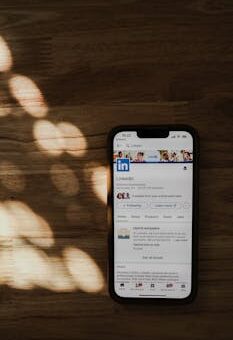
Use advanced filtering for remote, hybrid, or specific hour options. Smart searchers start with targeted industries and proactively connect to hiring managers through LinkedIn for better results.
Popular roles include technology support, customer service, marketing, sales, and data entry. Healthcare and education also see more flexible jobs with shifts and online work increasing.
What most job seekers do is simply apply through company portals. What works better is building a network by connecting with current employees to ask about internal flexible vacancies first.
Launching Your Search Without the Common Pitfalls
The right start unlocks the best flexible jobs. Leading with clear goals and researching your target sector helps maximize the value of your job search from day one.
Knowing exactly which benefits you need allows you to filter options quickly. Targeted research ensures you pursue roles matching your lifestyle and career goals from the outset.
Setting Up Your Flexible Job Search
Install trusted job search apps and customize alerts based on your preferred location, work type, and hours. Choose reputable sources and industry experts for accurate postings.
When setting up your first alerts, review permission choices for notifications, privacy, and resume sharing. Only submit your information to verified employers or leading recruitment platforms.
Start your first session with a focused 30-minute block. Use that time to scan and save promising flexible jobs but do not rush applications to avoid errors or missing requirements.
A common mistake is uploading the same CV for every job. Instead, update your resume and cover letter for each position to stand out and communicate genuine interest.
- Review app notification settings so only urgent messages break your focus. This keeps your search streamlined and prevents overwhelm or missed deadlines for flexible jobs application steps.
- Draft a clear out-of-office auto-response for interviews. Explain your availability transparently so recruiters see your communication is prompt and reliable, even on flexible schedules.
- Save job descriptions with their dates. Having a record means you are ready to reference exact requirements when contacted for interviews or negotiations about custom hours.
- Block out one daily session of 30 minutes at the same time each day. Routine builds momentum and stops scattered effort, which can lead to missing prime flexible jobs posted recently.
- Tell a friend or accountability partner your flexible job search goals. Having someone check in weekly keeps you motivated and guides you back on track if applications slow down.
If you apply with a generic CV and get no response, pause and rewrite. Emphasize flexibility and availability in your next batch for stronger results and to recover momentum.
Boosting Your Application and Staying Secure
Optimizing your profile improves your chance of being noticed in flexible jobs, so building a credible online reputation should be your first priority in the search process.
Taking security steps ensures your professional and personal information stay safe as you interact with recruiters and hiring managers across multiple platforms and devices.
Creating a Profile That Attracts Genuine Opportunities
Highlight your adaptability and recent success stories in your online profiles. Recruiters seek applicants who communicate reliability, resourcefulness, and commitment to results, regardless of specific job hours.
For your headline, use: “Proven Marketing Specialist Seeking Flexible Roles.” Do not list only skills without explaining results, as this misses your potential value for companies hiring for flexible jobs.
A useful opening script is, “I’m excited about roles where I contribute measurable value while working variable hours.” This kickstarts real conversation about what both parties expect.
Interestingly, profiles with professional photos and direct headlines attract higher-level roles. Avoid adding too much personal information, which can dilute your clear professional brand statement.
Online Safety Resources for Every Job Seeker
Set your privacy controls to restrict resume viewing to recruiters or hiring companies only. Update settings regularly to keep your information visible to trusted sources while minimizing spam or scam risk.
When you encounter suspicious job offers, use the report feature and block communications as needed. Do not reply to requests for sensitive information from unverified senders.
If asked for data outside normal processes, respond with, “For my security, can we communicate through the official platform?” This keeps your dialogue on record and discourages scams.
A copy-ready message to set boundaries: “Thank you for reaching out. For my privacy, I will provide requested documents after a formal offer or verified interview invitation.”
| Role Type | UK Salary Range | Work Mode | CV Tip |
|---|---|---|---|
| Customer Service | £18,000 – £28,000 | Remote/Part-time | Emphasize communication skills and home-office setup |
| Teaching/Tutoring | £20,000 – £35,000 | Hybrid/Online | Highlight remote lesson planning and tech tools used |
| IT/Support | £22,000 – £42,000 | Remote/Shift | Detail technical certifications and remote troubleshooting |
| Healthcare (Allied) | £24,000 – £45,000 | Flexible/Shift | Mention availability for variable shifts and telehealth skill |
| Marketing/Social Media | £22,000 – £38,000 | Freelance/Flexible | Showcase portfolio links and remote campaign success |
Conclusion
Summing up, choose job boards targeting flexible jobs, tailor each CV, activate privacy settings, and commit to short daily focused application sessions to maximize results.
Each step aligns your search efforts with realistic career outcomes, increasing the chance you secure roles that fit your needs and ambitions equally well.
Avoid treating all flexible jobs as identical. Instead, research roles carefully to ensure they match both your career goals and lifestyle requirements without surprises during onboarding.
Start today by drafting a new CV headline mentioning flexible roles and update your job alerts to prioritize flexibility. Build your path toward a work-life blend that lasts.