Landing jobs without experience can feel out of reach, but it’s more possible than you think. Companies regularly offer training and value fresh perspectives from motivated applicants.
Many job seekers worry their lack of experience will immediately disqualify them. This fear leads to hesitation, missed applications, and the sense that only seasoned professionals deserve a chance in the workplace.
A common misconception is that employers never consider applicants who are totally new. In reality, a strong approach and willingness to learn can win over even the toughest recruiters.
This guide reveals step-by-step strategies for securing jobs without experience. You will find actionable advice, CV writing tips, and proven methods to land interviews and jumpstart your career.
Understanding Entry Level Opportunities
Securing a job as a newcomer starts with knowing where demand is high. Many industries actively recruit candidates eager to learn and adapt.
Roles like customer service, retail, administrative work, and remote support consistently offer jobs without experience for entry-level workers. Identifying these markets increases your chances significantly.
Hidden Advantages of Being a Beginner
Entry-level candidates are attractive to employers because they come without ingrained habits and are eager to take direction. This willingness to learn can set you apart.
It’s counterintuitive, but sometimes being a blank slate is better than experience. You can ask questions, offer energy, and avoid the “I’ve always done it this way” mindset.
Applicants who exaggerate their credentials tend to get caught quickly. If this happens, address it directly by saying: I’m sorry, I should have been clearer about my learning phase.
Instead, highlight soft skills, like reliability and communication. Say: I may be new, but I’m committed to mastering the role and contributing from day one.
Using the Right Tools to Get Noticed
Job boards dedicated to jobs without experience are crucial. Most people use general platforms, missing niche sites geared for first-time job seekers.
Instead of only applying on mainstream sites, explore portals like Indeed, WayUp, and LinkedIn’s “No Experience Necessary” filter to find targeted listings.
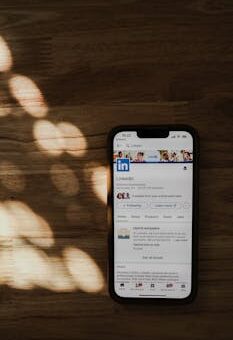
Build a strong LinkedIn presence by joining entry-level groups and engaging with recruiters. This small step increases your profile visibility far beyond simple applications.
Most people submit resumes and wait. Instead, message hiring managers directly. State your interest, mention your adaptability, and ask: What traits do you value in someone starting out?
Building Your Skillset Before Interviews
Improving your skillset before applying creates immediate impact. Even basic training or certifications make employers look twice at candidates for jobs without experience.
Online courses and microcredentials like Google’s Career Certificates or free Coursera courses demonstrate initiative and help bridge the perceived experience gap.
Simple Steps to Boost Employability
First, install a learning app or choose an online course relevant to your target industry. Laying this foundation signals to employers you are proactive and invested.
Set up profiles on learning platforms like Coursera, Udemy, or edX. Pick a single course, not a dozen at once, to stay focused and actually gain knowledge you can reference.
Structure your first learning session with a fixed schedule. Spend one hour applying new concepts or skills – it’s less overwhelming and builds real momentum.
Avoid the common mistake of listing unfinished or irrelevant courses on your CV. Employers want proof of progress. Stick to completed certificates or clear learning milestones.
- Complete and document one targeted online course that matches your desired job. List it on your CV with a clear skills summary to stand out instantly.
- Include a short skills section at the top of your resume. Use bullet points to highlight relevant software or technical knowledge as a quick employer reference.
- Ask for recommendations or brief endorsements from instructors or course peers. Add these to your LinkedIn profile for added credibility and networking strength.
- Customize each application message. Briefly mention your latest course and explain why it prepares you for their specific role, demonstrating research and initiative.
- Follow up two days after you apply. Reference your completed coursework in your message, showing commitment and opening the door for a timely response.
If your initial learning attempt fails – for example, if you stall after enrolling – reschedule a single lesson for the following week. Breaking inertia is key to progress.
Networking Effectively, Even as a Newcomer
Personal connections speed up access to jobs without experience. Networking doesn’t require industry contacts – it’s about starting conversations and following up consistently.
Reaching out to university alumni, industry meetup groups, or even social media communities greatly improves your chance of a warm introduction or inside referral.
Networking Scripts for Beginners
Start by contacting someone in a role you admire. Use this template: Hi, I’m exploring careers in your area and would love any advice you could spare for a newcomer.
Be specific about your goals. Say: I’m interested in entry-level positions, especially jobs without experience. What’s the best way to showcase motivation to hiring managers?
If your request goes unanswered, don’t keep sending messages. Instead, wait three days, then reply with: Just checking in, and thanks if you get a chance to reply later.
The most common mistake is asking for a job directly. Instead, focus on advice and rapport. Building mutual respect leads to referrals and mentorship opportunities over time.
Recommended Networking Events and Platforms
Attend local workshops, virtual career fairs, or webinars aimed at recent graduates and job changers. These spaces are designed for people searching for jobs without experience.
Leverage LinkedIn by joining relevant industry groups. Engage in discussions, congratulate those who post new roles, and contribute thoughtful questions to build your online presence.
Create a basic networking tracker in a spreadsheet. List each contact, date of communication, and a follow-up reminder. Consistency and organization are just as important as outreach volume.
Sharing updates about your learning journey on social platforms can also attract attention from recruiters and group administrators looking for motivated participants and contributors.
Crafting a Standout Resume and Cover Letter
A strong resume highlights potential, not just past roles. For jobs without experience, emphasize transferable skills, academic projects, or volunteer work that mirror basic job duties.
Your cover letter should directly address not having prior experience. Use clear language about your desire to learn and show how your attributes fit the company’s culture and mission.
What to Put on a Resume With No Experience
Include personal projects, school work, and unpaid internships if relevant. Show outcomes, like improving a system or leading a group, to demonstrate value added.
Start your resume with a summary statement. Example: Eager and dependable, seeking jobs without experience, with a passion for teamwork and rapid skill growth.
Avoid generic phrases like hard worker or team player without backing them up. Use evidence from group activities, course projects, or real feedback to anchor those claims.
If your resume feels empty, layer in technical skills, languages, or certifications, no matter how basic. This section signals to employers you’re actively building capacity for the job.
Guide to Tailoring Your Resume for Entry-Level Roles
Create a custom version of your resume for each application. Mirror keywords from each job description to get noticed by automated screening systems and hiring managers.
Include a skills table for clarity. Demonstrate a mix of technical and soft skills suited to the advertised role. Refer to the example below as a helpful template.
| Role | Relevant Skills | How to Demonstrate |
|---|---|---|
| Customer Support | Communication, Problem Solving | Handled school event questions, mediated group projects |
| Admin Assistant | Organization, Attention to Detail | Managed class assignments, scheduled meetings |
| Retail | Teamwork, Sales Basics | Worked with volunteer groups, led fundraising efforts |
| Remote Data Entry | Accuracy, Independence | Transcribed lecture notes, used spreadsheets for club records |
Adding a brief, targeted skills table increases clarity for recruiters. Use this format to structure your experience even when formal roles are missing.
Preparing for Interviews With Confidence
Interviewing successfully is less about history and more about presence. Candidates for jobs without experience should focus on curiosity, reliability, and problem-solving skills in conversation.
Prepare examples in advance where you learned something quickly or adapted to a new environment. These stories can shift the narrative from lacking experience to demonstrating growth potential.
Common Interview Questions and Strategies
Expect to answer: Why do you want this role despite no experience? Craft an answer highlighting your interest and commitment to the company’s goals.
Use the STAR method: Situation, Task, Action, and Result. Apply it to school projects, volunteer work, or learning experiences where you overcame challenges.
If you get a question that catches you off guard, pause. Say: That’s a great question – let me think, and I’ll do my best to answer honestly from my prior experiences.
Practice your responses aloud before the interview. A calm, well-prepared delivery makes up for a lack of on-paper experience when you’re searching for jobs without experience.
Avoiding Common Interview Pitfalls
Don’t apologize for your lack of work history. Instead, emphasize willingness to learn and quick adaptation. Example: While I haven’t done this job before, I recently mastered similar tasks in another setting.
Stay engaged by preparing three follow-up questions. These show real interest and a proactive attitude, both highly valued by employers of jobs without experience.
Be wary of downplaying any part of your background. Everything from volunteer projects to club leadership adds relevant talking points to your interview toolkit.
If nerves cause a stutter or momentary loss, regroup by smiling, acknowledging it, and continuing. Resilience is as important as polish, especially in first interviews.
Finding In-Demand Roles That Don’t Require Experience
Some sectors constantly hire people for jobs without experience by providing on-the-job training. Researching these fields gives you an edge in your job hunt.
Popular fields include customer service, retail, warehouse, food service, remote data entry, and technical support. These sectors typically prioritize attitude and trainability over formal credentials.
Overview of the Most Accessible Entry-Level Jobs
Customer service roles involve helping customers by phone, email, or in person. Strong communication and empathy are the biggest assets, regardless of prior job experience.
Retail sales associate jobs are widely available and focus on teamwork, reliability, and adaptability. Upskilling in basic cash register operation or stock management makes your application stronger.
Warehouse roles offer competitive pay, opportunities for advancement, and encourage applicants with no previous job history. Basic fitness and punctuality matter most.
Remote data entry jobs are on the rise. Candidates are judged based on accuracy, speed, and self-motivation instead of years of previous work experience.
Average Salary Data for Common Entry-Level Jobs
| Job Type | Average Starting Salary (US) |
|---|---|
| Customer Service Representative | $32,000 |
| Retail Sales Associate | $28,000 |
| Warehouse Associate | $30,000 |
| Remote Data Entry Clerk | $29,000 |
| Food Service Worker | $26,000 |
These numbers provide a realistic expectation for what you might earn when starting out. Always look for roles that offer growth and skill-building options.
- Research salary ranges before accepting a job. Knowing typical figures gives you confidence during offer negotiations and ensures you are treated fairly by employers.
- Create salary comparison charts by job type and location. Websites like Glassdoor or Payscale help you gather accurate, up-to-date compensation data for discussion.
- Ask about overtime, bonuses, and benefits during the interview process. These factors can increase the total value of entry-level jobs without experience.
- Keep track of multiple offers and document details for each. Comparing options helps you make a decision based on both pay and potential for skills development.
- Understand that starting salaries may be modest. Focus on finding companies that prioritize development and growth so you can boost your compensation quickly.
Taking Action: Applying and Following Up
The job search concludes with diligent applications and proper follow-up. Success with jobs without experience depends on persistence, clear communication, and attention to detail.
Submitting personalized applications and thank-you notes shows employers your level of interest and professionalism, making it more likely for you to receive interview invitations.
Effective Application Tips
Tailor each application to the job specifics. Read the role description thoroughly and highlight key words in both your resume and cover letter to pass digital screening tools.
Use a cover letter to address the hiring manager by name. If unsure, try a friendly: Dear [Team Name] Recruitment Team.
After submitting your application, set a reminder to follow up within three to five days. A brief message expressing interest and readiness to learn can move your name up the list.
Keep a job application tracker. Note submission dates, contact information, and follow-up status to avoid missing important opportunities and to stay organized throughout your search.
Why Persistence Pays Off in Job Searching
Rejection is part of any job hunt, especially with jobs without experience. The key is to learn, adjust, and persist through each setback.
Seeking feedback from interviewers, when possible, helps improve your approach. A simple: I’d appreciate any advice to strengthen future applications shows maturity and growth.
Balancing multiple applications increases your odds. Don’t wait for one response before moving onto the next. Continuous movement keeps momentum and lessens the emotional impact of rejection.
Patience, self-reflection, and ongoing effort guarantee eventual results. Each application, interview, and follow-up hones your skills and inches you closer to your first job offer.
Conclusion
To land jobs without experience, focus on proactive learning, customized resumes, and regular outreach. Emphasize attitude and adaptability more than previous job history.
Following this step-by-step approach works because it prioritizes action, tailored applications, and continuous improvement. Employers consistently value initiative from entry-level candidates.
A common pitfall is giving up too soon or only applying blindly. Avoid this by setting real goals, tracking progress, and seeking feedback after any setbacks in your job hunt.
Review the ideas above, pick your best next step, and start today. Every completed application and conversation moves you closer to landing your first job.